Secured vs Unsecured Debt
Monday, November 23, 2026
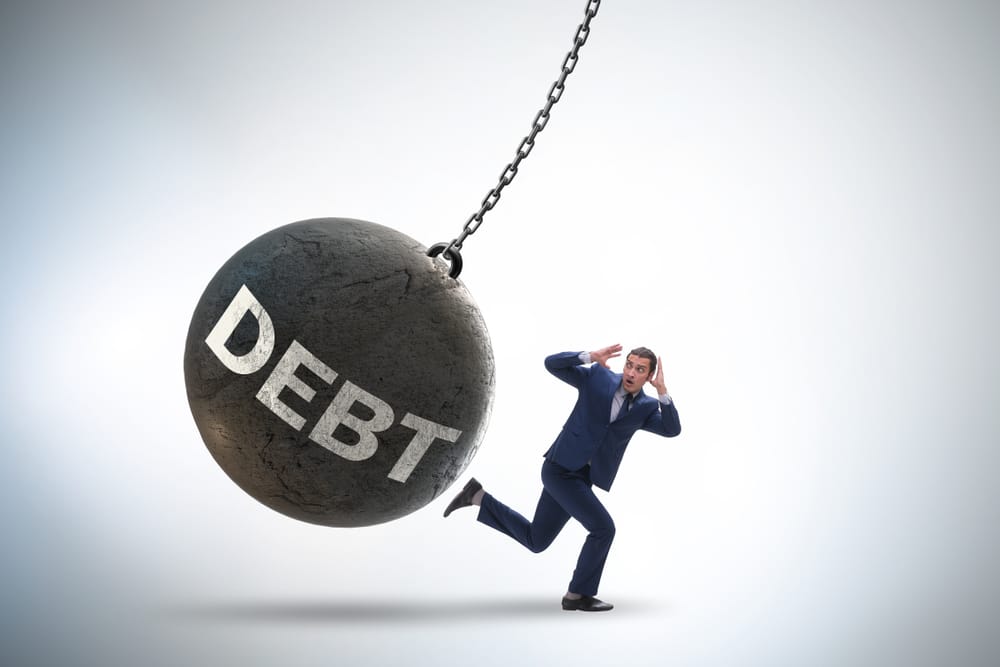
Secured debt is tied to an asset (collateral). Unsecured debt is not. That difference changes the stakes if cash flow breaks. Do not judge debt by rate alone. Ask what you could lose, and how the payment would feel if income dipped for a season.
Secured vs Unsecured Debt:
What’s Actually at Stake
Most people don’t think about debt in categories. They think about it in stress levels.
“This payment is fine.”
“This payment is scary.”
“This debt keeps me up.”
“This one I avoid looking at.”
But there’s a basic distinction that can change how you understand the risk of debt: secured vs unsecured.
And it matters because it answers one blunt question:
“What happens if I can’t pay?”
Self Reflect
- Do you know which of your debts are tied to an asset that could be taken?
Secured vs Unsecured Explained
- Secured debt is backed by collateral. Collateral is something of value tied to the loan (like a home or car). If payments aren’t made, the lender may have a claim to that asset.
- Unsecured debt is not backed by a specific asset. It’s based more on your promise and credit profile.
This isn’t meant to scare you. It’s meant to clarify risk.
"Borrowing With a Hostage"
A secured loan is like borrowing with something valuable on the table.
If everything goes well, fine. If things go badly, the lender may take the thing tied to the loan.
Unsecured debt doesn’t usually have that single asset connected. The consequences can still be serious, but they’re different.
Why This Matters in Real Life
Because the risk is not only about the interest rate. It’s about what you could lose.
Secured debt can:
- offer lower rates sometimes
- be associated with large, long-term purchases
- become very stressful when income becomes unstable
- feel stable when things are stable
Unsecured debt can:
- be easier to access
- carry higher rates often
- grow quickly if minimum payments are made
- create long-term cash flow stress
Different risks. Different mechanics.
Self Reflect
- Which feels more stressful to you: high monthly payments or the fear of losing an asset?
Common Myths
Myth 1: “Secured debt is always good debt”
Not always. Secured debt can still be too large, too long, or too risky for your cash flow.
Myth 2: “Unsecured debt isn’t that serious”
It can be very serious if it carries high interest and stretches your cash flow.
Myth 3: “If I can make the payment now, I’m safe”
The real question is resilience. What happens if income changes, expenses spike, or life becomes harder for a season?
Myth 4: “Debt is only about math”
Debt is also about risk tolerance and stability. What you can handle emotionally matters.
What to Notice This Week
- Which debts are tied to assets. This changes the stakes.
- How much flexibility you have. If income dropped for a season, what happens?
- How debt affects your stress and choices. Debt can quietly control your life decisions.
Self Reflect
- If you could wave a wand and remove one debt risk, what would you remove first: rate, payment size, or uncertainty?
The Takeaway
Secured vs unsecured is one of the simplest ways to understand what debt really means in your life.
It helps you see the stakes, not to panic, but to plan with clearer eyes.

Hi.
I'm Christopher
We’ve been busy crafting dynamic and engaging content just for you! Our mission is to provide insights that are not only relevant to your circumstances but also thought-provoking and informative.
This blog will feature discussions on a variety of topics related to our Plan To Live program, ensuring you get a comprehensive perspective on financial well-being.
Please note that the articles shared here are for educational and entertainment purposes only, not financial advice. Always do your own research and consult a professional for personalized guidance.
We’d love to hear from you! If you have ideas for future articles or topics you want us to explore, feel free to reach out at christopher@plantolive.com.
Your feedback is essential in shaping our content and helping us serve you better!
Blog Categories
Good Decisions Start With
Good Information


Plan To Live is your real-world financial educator, planning partner, and coach in action.
We turn hopes into habits with a simple, proven framework, making personal growth practical and financial success achievable.
Prepared by Plan to Live Inc., this material offers general information on legal, financial, planning, and advocacy topics as of publication and is not professional advice. Readers should seek advice for their circumstances before acting, and Plan to Live Inc. and its representatives disclaim liability for errors, omissions, or reliance-related losses, including negligence.